Environmental Compliance:
The Foundation of Safe and Sustainable Real Estate Development in Kerala
Building Responsibly in a Changing Climate
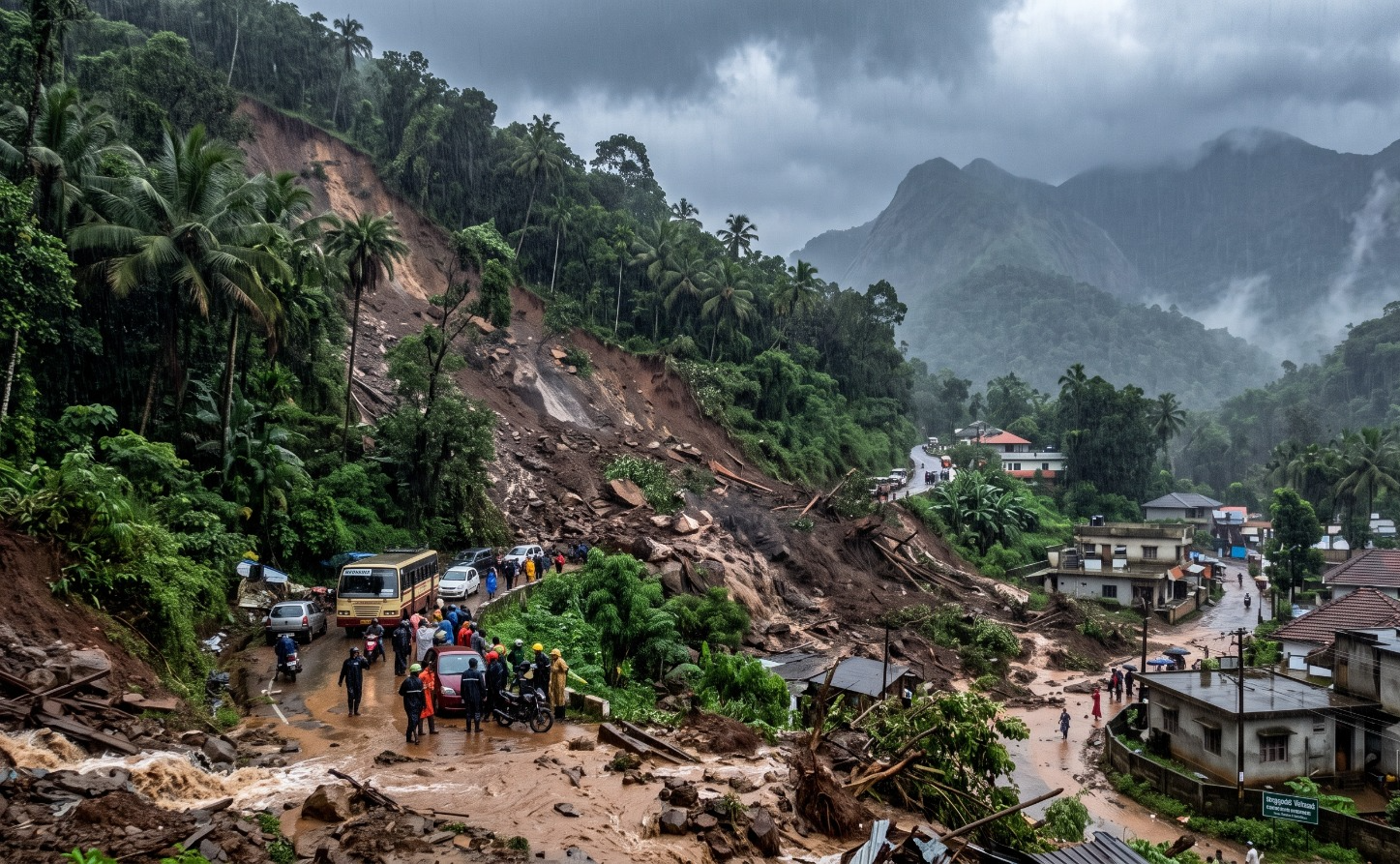
Kerala
has witnessed how extreme weather events, landslides, and floods can impact
communities, infrastructure, and property values. These incidents remind us
that real estate development should never focus solely on construction, it must
also prioritize environmental responsibility.
As Kerala
continues to grow, developers, investors, and homebuyers need to understand
that sustainable development is no longer an option. It is essential for
creating safer communities and protecting long-term investments.
Why Environmental Clearance Matters
Environmental
Impact Assessments (EIAs) are designed to evaluate how a proposed project may
affect land, water, forests, biodiversity, and nearby communities before
construction begins. These assessments help developers:
- Identify environmental risks
before construction starts.
- Minimize damage to natural
ecosystems.
- Ensure compliance with
government regulations.
- Improve long-term project
sustainability.
- Build greater confidence
among investors and buyers.
Projects
developed with proper environmental planning are generally better prepared to
withstand future environmental challenges.
Lessons for the Real Estate Industry
Recent
discussions on environmental safeguards have reinforced an important message:
approvals and environmental compliance should always come before construction
begins. Regulatory authorities and the judiciary continue to emphasize that
environmental laws exist not only to protect nature but also to safeguard human
lives and property.
For
developers, this means integrating environmental planning into every stage of a
project rather than treating it as a formality.
Sustainable Development Creates Long-Term Value
Modern
buyers increasingly prefer properties that are:
- Located in environmentally
safe areas.
- Built with sustainable
construction practices.
- Designed with efficient
drainage systems.
- Equipped with rainwater
harvesting.
- Energy-efficient and
environmentally friendly.
- Surrounded by adequate green
spaces.
Such
developments often enjoy stronger market demand, higher resale value, and lower
long-term maintenance costs.
What Homebuyers Should Verify
Before
investing in any property, buyers should check:
- Environmental approvals,
where applicable.
- Land classification and
legal status.
- Flood and landslide
vulnerability.
- Drainage infrastructure.
- Compliance with local
building regulations.
- Availability of essential
civic infrastructure.
Conducting
proper due diligence can significantly reduce future financial and legal risks.
The Future of Real Estate in Kerala
Kerala's
real estate sector is entering a new era where sustainability and compliance
will define successful developments. Builders who prioritize environmental
responsibility are more likely to gain the trust of buyers, investors, and
financial institutions.
Future-ready
developments will combine quality construction with climate resilience,
responsible land use, and respect for ecological balance.